2026 Top Trends in Pop Art Box Revolutionizing Modern Art and Design?
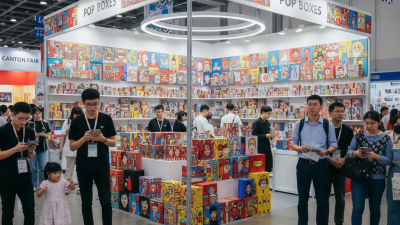
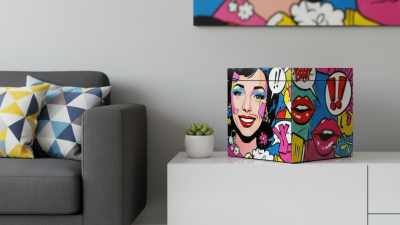
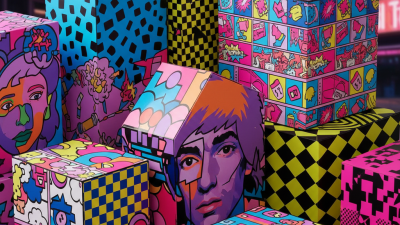
The emergence of the "Pop Art Box" is reshaping the landscape of modern art and design. Renowned pop artist Mark Thompson remarks, "The Pop Art Box challenges traditional boundaries." This innovative concept blends contemporary ideas with vibrant aesthetics, captivating audiences worldwide.
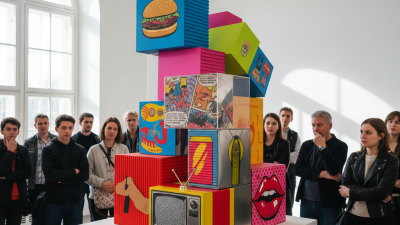
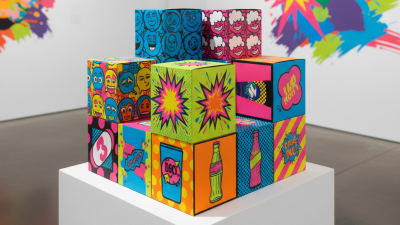
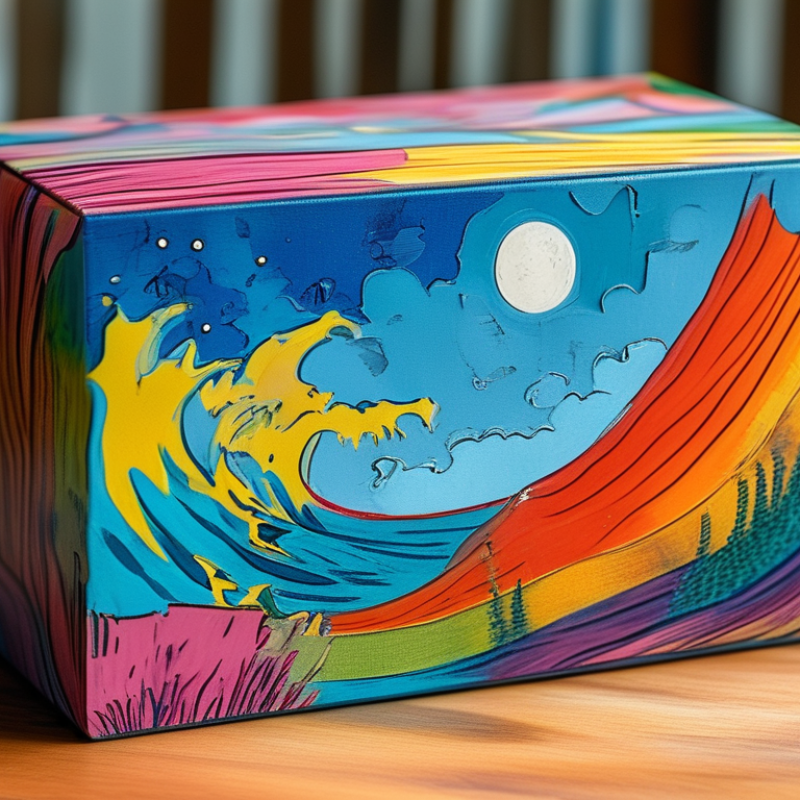
As the industry evolves, artists are experimenting with unique materials and interactive elements. The Pop Art Box is not just a canvas; it is a multi-dimensional experience. With bold colors and unexpected shapes, it invites viewers to engage with the art in new ways. Many emerging artists are embracing this trend, creating works that provoke thought and conversation.
However, this transformation raises questions about authenticity and commercialism in art. With the growing popularity of the Pop Art Box, some critics argue that it risks diluting artistic integrity. The challenge lies in balancing innovation with genuine expression. As we delve into 2026's top trends, the Pop Art Box stands as a symbol of both progress and reflection within the art community.
The Evolution of Pop Art: From the 20th Century to 2026
The evolution of pop art is a fascinating journey. Emerging in the mid-20th century, it transformed cultural icons into vibrant expressions. Artists used everyday imagery, challenging traditional boundaries. Today, this movement continues to evolve, reflecting contemporary society's complexities.
As we approach 2026, pop art becomes more interactive. Digital platforms allow for new forms of expression. Artists are experimenting with augmented reality and immersive installations. This evolution raises questions about authenticity. When art becomes virtual, how do we define creativity?
The dialogue between past and present is essential. Techniques and styles build on foundations laid by earlier artists. Yet, the accessibility of pop art also creates dilution. With so many voices, what distinguishes original works from mere copies? Reflecting on these challenges is vital for understanding pop art's future.
2026 Top Trends in Pop Art Revolutionizing Modern Art and Design
Key Characteristics of Contemporary Pop Art Box Trends
Contemporary pop art box trends highlight a fusion of creativity and technology. This movement embraces vibrant colors, bold graphics, and even interactive elements. In recent reports, it has been noted that the global pop art market is expected to grow at a CAGR of 7.5% from 2023 to 2028. This growth reflects a shifting consumer preference towards unique, experiences-driven art.
Key characteristics of these trends include a mix of traditional craftsmanship and modern innovation. Artists are experimenting with 3D printing and augmented reality, bringing art to life in unprecedented ways. Techniques such as layering acrylics with digital prints are also gaining traction. These methods not only expand what pop art can be but also challenge the boundaries of modern design.
Tips for artists looking to innovate include emphasizing sustainability in materials. Eco-friendly products can resonate with audiences increasingly concerned about environmental impact. Collaborations between artists and technologists can lead to fresh perspectives. However, as the landscape evolves, reflecting on artistic intent is crucial. Some artists may find that the commercial aspect overshadows their creative vision. Balancing these elements can define the future direction of this vibrant movement in pop art.
Influence of Technology on Pop Art Creation and Engagement
The intersection of technology and pop art is reshaping how artists create and engage with audiences. Artists now utilize digital tools to amplify their creative expressions. Virtual reality, augmented reality, and AI-generated designs open new avenues for artistic exploration. These technologies can enhance the interactivity of pop art, allowing audiences to immerse themselves in playful, vibrant worlds.
Tips: Experiment with various digital tools. Explore VR platforms that host pop art galleries. These experiences can deepen your appreciation for the art.
However, the increasing reliance on technology also raises questions. Are traditional methods being overshadowed? Some critics argue that technology distances art from its emotional roots. While digital creations can dazzle, they sometimes lack human touch. Artists must balance innovation with authenticity to maintain connection with viewers.
Tips: Reflect on the emotional impact of your work. Consider incorporating hand-drawn elements into digital pieces. This fusion can evoke deeper connections.
Cultural and Social Impact of Pop Art in Modern Design
Pop art's cultural and social impact on modern design is profound. It challenges traditional notions of art, breaking barriers between high culture and popular culture. This movement emerged in the mid-20th century, reflecting societal changes. Artists began incorporating commercial elements into their work. This creates a dialogue between consumerism and artistic expression.
The vibrant colors and bold imagery of pop art resonate with diverse audiences. Its appeal is not limited to galleries and museums. It infiltrates everyday life through fashion, advertising, and interior design. This omnipresence raises questions about authenticity and value in art. Critics argue that commercialization dilutes artistic integrity. Yet, it also fosters accessibility, bringing art to the masses.
Pop art continues to evolve, embracing digital technology. Social media serves as a new canvas. Artists find innovative ways to connect with their audience. However, this evolution may lead to an oversaturation of imagery. The challenge lies in maintaining originality while engaging with trends. Pop art remains a reflection of contemporary issues, inviting ongoing reflection and critique.
Future Predictions: The Next Wave of Pop Art Innovations
The future of pop art is set to undergo a significant shift. Innovations in technology and design are paving the way for a new wave of creativity. Artists are exploring new dimensions, pushing boundaries beyond traditional canvases. Virtual reality and augmented reality are becoming integral tools in pop art, offering immersive experiences. This technology allows audiences to interact with art in ways previously unimagined.
However, as this revolution unfolds, questions arise. How will artists maintain their authentic voice amidst the rapid evolution? There is a risk of losing the raw emotional connection that defines art. The accessibility of high-tech tools might lead to saturation, diluting unique expressions. Artists will need to navigate this landscape carefully to preserve originality and resonance in their work.
The next wave of pop art will challenge perceptions and embrace contradictions. It will invite viewers to engage, reflect, and perhaps rethink their understanding of art. The integration of digital and physical spaces could create exciting synergies. Yet, this journey will require introspection. Artists must balance innovation with their artistic integrity and storytelling abilities.
2026 Top Trends in Pop Art Box Revolutionizing Modern Art and Design
| Trend |
Description |
Impact Area |
Year of Emergence |
| Digital Pop Art |
Utilization of digital tools to create interactive and immersive art experiences. |
Artistic Expression |
2024 |
| Eco-Friendly Materials |
Adoption of sustainable materials in the creation of pop art installations. |
Environmental Design |
2025 |
| Augmented Reality in Art |
Integrating AR technologies to enhance viewer engagement and interaction. |
Audience Experience |
2026 |
| Street Art Evolutions |
Merging traditional street art with modern digital aesthetics. |
Urban Culture |
2025 |
| Collaboration Across Mediums |
Increased partnerships between visual artists and other creators like musicians and filmmakers. |
Cross-Disciplinary Innovation |
2024 |