2026 How to Choose the Perfect Poster Frame for Your Art Collection?
Choosing the right poster frame is crucial for showcasing your art collection. The frame not only enhances the artwork but also protects it. According to the latest industry report from Art Frame Insights, 75% of collectors believe that a well-chosen frame elevates the overall aesthetic of their pieces.
Expert framing consultant, Jane Adams, emphasizes the importance of selection: "A perfect poster frame should complement, not overpower, the art." This insight reflects a common challenge faced by many art enthusiasts. It’s easy to get overwhelmed with options, from materials to colors. Many collectors find themselves questioning their choices after framing.
Research indicates that using inadequate frames can damage artwork over time, prompting a need for thoughtful consideration. Therefore, understanding the features of a quality poster frame is essential. Beyond aesthetics, longevity and protection are paramount. In this journey to find the perfect frame, collectors must reflect on both design and preservation.
Understanding the Importance of Choosing the Right Poster Frame
Choosing the right poster frame is crucial for any art collection. A good frame enhances the piece and protects it from damage. Frames can also set the mood in a room. Thus, making an informed choice is vital.
Consider your art’s style and color scheme. A minimalist frame may work for modern art, while an ornate frame can complement classical pieces. Pay attention to materials too. Wood frames provide warmth, while metal frames offer a sleek, contemporary look. Sometimes, going with a less popular style can foster discussion and intrigue.
Tip: Measure your artwork precisely. An ill-fitting frame can detract from its beauty. Also, think about the matting. A mat can add space and elegance, drawing the eye to the art itself. Remember that some frames can overpower the artwork; balance is key. Reflecting on these aspects can lead to a choice that showcases your collection effectively.
Identifying the Appropriate Frame Types for Various Art Styles
Choosing the right frame for your art can enhance both the piece and the space it inhabits. It’s essential to recognize how different frame types match various art styles. For example, modern art often pairs well with sleek, minimal frames. These frames can emphasize the bold colors and forms of contemporary pieces, allowing them to take center stage.
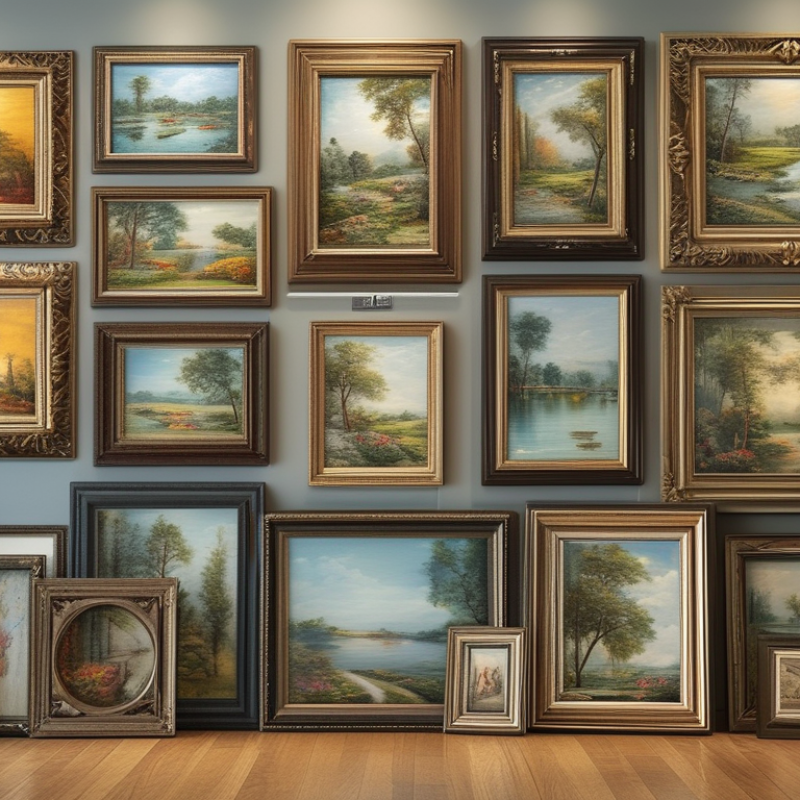
On the other hand, traditional art styles benefit from ornate frames. Intricate designs can complement classic paintings, adding a touch of elegance. Consider the artwork's theme; a vintage landscape may look off in a modern frame. Reflecting on this can lead to a better choice.
Not every frame will suit every piece. Sometimes, you might choose a frame that clashes with the artwork. This mismatch can distract rather than enhance. Always observe how a frame interacts with the art. Take your time and make adjustments as needed. This process may involve trial and error, but it’s a chance to learn and refine your collection.
2026 How to Choose the Perfect Poster Frame for Your Art Collection?
| Art Style |
Frame Type |
Recommended Material |
Color Recommendations |
| Modern Art |
Slim Frame |
Aluminum |
Black, White |
| Classic Paintings |
Ornate Frame |
Wood |
Gold, Dark Brown |
| Photography |
Gallery Frame |
Composite Material |
Silver, Natural Wood |
| Abstract Art |
Floating Frame |
Glass and Wood |
Bold Colors, Clear |
| Posters |
Basic Frame |
Plastic |
Bright Colors, White |
Evaluating Material Options for Durability and Aesthetic Appeal
When selecting a poster frame, the material can significantly impact both durability and aesthetics. Wood frames offer a classic look. They can complement various art styles. However, wood can warp with humidity. If you live in a moist environment, consider alternatives. Metal frames are sleek and modern, providing a sturdy option. They resist bending and can enhance a contemporary piece.
Acrylic or glass can protect your artwork. Acrylic is lightweight and shatter-resistant, making it an excellent choice for homes with children or pets. Glass provides clarity and a premium feel. Yet, it's fragile and can contribute to an increased overall weight. Balance is essential when choosing between these options.
Reflect on your art collection's theme. Does it lean more towards classic or modern? Examine how each material interacts with your pieces. For instance, a vintage poster might lose charm in a modern frame. Likewise, a vibrant, contemporary piece could feel stifled in an ornate wood frame. Always go for the framing option that resonates with your artistic vision.
Considering Size and Proportion in Framing Your Art Collection
When considering the size and proportion of a poster frame for your art collection, it's essential to visualize how each piece will interact with its surroundings. A small print can easily get lost in an oversized frame, while a large artwork might seem overwhelming in a tiny frame. Always measure the art before selecting a frame. Take into account the wall space available as well. You want your art to shine, not to struggle for attention.
Tips: Choose a frame that complements your art. A simple black or white frame often works well, allowing the artwork to take center stage. Consider the matting as well; it adds a layer of depth. A wide mat can elevate a small piece, giving it presence.
Remember that the relationship between the artwork and its frame is personal and subjective. What looks balanced to someone may feel off to you. Experiment with different frame styles and sizes before making a commitment. It's okay to make mistakes. Finding the perfect combination takes time and adjustment. Play around with arrangements on the floor before hanging them up.
Exploring Conservation Techniques to Protect Your Artwork When Framing
When choosing a frame for your artwork, conservation techniques play a vital role. These methods ensure your pieces remain vibrant and intact for years. The American Institute for Conservation highlights that improper framing can lead to irreversible damage. Factors like acidity in materials can cause discoloration and deterioration.
Using acid-free mats and UV-filtering glass can prevent harmful exposure from light. According to a study by the International Council of Museums, artworks framed with these materials showed a 75% reduction in fading over ten years. It’s crucial to prioritize these elements to protect your investment and preserve your collection's beauty.
However, there’s a delicate balance to maintain. Over-framing can sometimes trap moisture, which might lead to mold growth. Art collectors often overlook this risk, creating a need for continued education in framing practices. Unique designs may also complicate conservation efforts. The choice of frame should enhance the artwork while ensuring its preservation.