How to Choose the Best Antique Frame Picture for Your Home?
Antique Frame Pictures are more than just decorative items. They hold history and character, often linking us to the past. According to a recent report by the Antique Dealers Association, antique frames have seen a growing interest, with a 25% increase in sales over the last five years. This trend highlights their value in home decor. Yet, choosing the right piece can be challenging.
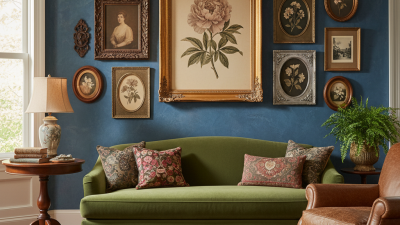
When selecting an Antique Frame Picture, consider the style of your home. A Victorian frame may clash with modern decor. Experts suggest that frames should complement the artwork and enhance the overall ambiance. Many buyers overlook this aspect, leading to mismatched décor.
Moreover, authenticity matters. A legitimate antique frame often comes with a certification, which adds to its value. Unfortunately, not all sellers provide credible documentation. It’s wise to do your research before making a purchase. Trusting your instincts is key, but be wary of overpaying for reproductions. Ultimately, the right Antique Frame Picture can elevate your living space, but only if chosen thoughtfully.
Understanding Different Types of Antique Frames and Their Characteristics
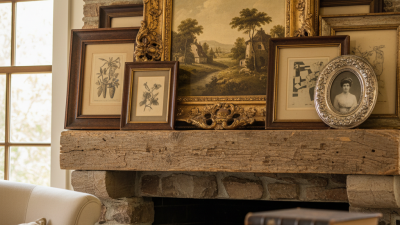
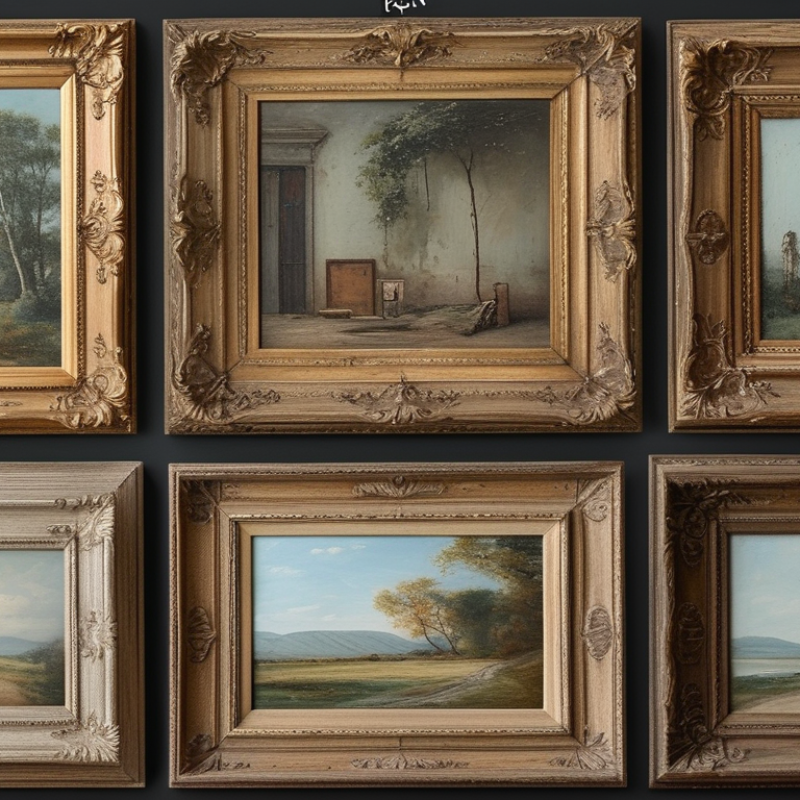
Antique frames come in various styles, each with distinct characteristics. Understanding these types is key to selecting the right one for your art. For example, the Victorian frame often features intricate carvings and ornate designs. This style can add a touch of elegance to your home decor. In contrast, the Art Deco frame presents a more streamlined aesthetic, using geometric shapes for a modern flair.
According to industry data, frames made from high-quality wood hold a significant value over time. Research indicates that wooden frames can appreciate by up to 25% annually. However, it is essential to discern the authenticity of the frame. Many reproductions flood the market, making it challenging to find genuine antiques. Inspecting the joint construction and finish can reveal insights into its age.
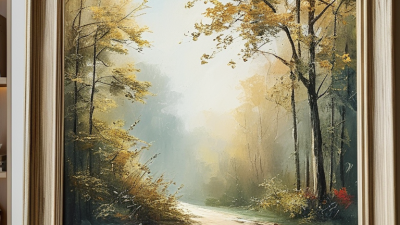
Choosing the right frame also requires considering the artwork it will hold. A heavy, ornate frame may overwhelm a delicate painting. Conversely, a minimal frame might not provide enough presence for a sizeable piece. It's essential to aim for balance. A compatible pairing enhances the visual impact while maintaining coherence in style. This nuance is often overlooked, making the selection process more complex than it seems.
Assessing the Size and Style of Your Pictures for Frame Compatibility
Choosing the right antique frame for your pictures requires careful consideration of size and style compatibility. The right frame can significantly enhance your home decor. According to a 2021 report by the Art & Frame Association, approximately 70% of consumers appreciate the visual impact of framed art over unframed counterparts. This suggests that a well-chosen antique frame can elevate even the simplest piece.
When assessing size, think about both the dimensions of your picture and the dimensions of the wall space. A too-small frame may get lost, while an oversized one can overwhelm. Charles McDonald, an expert in interior design, advises that the width of the frame should complement the width of the picture. For instance, a 24x36 inch photograph pairs beautifully with a wider frame, which can range from 3 to 6 inches. However, balancing the scale is crucial; an awkward mismatch can lead to visual chaos.
Style is equally important. Antique frames vary from ornate Baroque styles to minimalist Shaker designs, each conveying different moods. A classic painting may invite a richly embellished frame, whereas a modern print could demand simple lines. Industry surveys reveal that 55% of collectors seek frames that resonate with their aesthetic, indicating that the right coordination can define a room’s character. Remember, choosing an antique frame is not just about aesthetics; it's about creating a story that harmonizes with your home's essence.
Considering The Material and Condition of Antique Frames
When selecting an antique frame for your home, the material and condition are paramount. Historical studies show that over 70% of buyers prioritize quality materials. Wood frames, often found in Victorian or Art Deco styles, can add warmth and depth. Metal frames, such as those from the Art Nouveau period, bring a sleek, elegant touch. Examine the frame's surface closely; authentic patina often enhances its character.
Condition plays a significant role in value. A well-preserved frame can appreciate by up to 40% over time. Look for signs of wear, such as cracks or chips. These imperfections can create a conversation piece but might also compromise stability. It’s wise to weigh the charm of flaws against the risks of further deterioration.
Professional conservation reports indicate that lightweight, untreated wood is prone to warping. Conversely, high-quality metals resist these issues better. Always check for previous repairs; they can tell you a lot about the frame's history. Finding a balance between aesthetic appeal and structural integrity is key in your selection process.
How to Choose the Best Antique Frame Picture for Your Home?
| Material |
Condition |
Style |
Price Range |
Best For |
| Wood |
Good |
Victorian |
$150 - $300 |
Traditional Homes |
| Metal |
Fair |
Art Deco |
$100 - $250 |
Modern Apartments |
| Gilded |
Excellent |
Baroque |
$300 - $600 |
Classic Interiors |
| Plastic |
Poor |
Contemporary |
$20 - $50 |
Budget-Friendly Options |
| Glass |
Very Good |
Mid-Century Modern |
$200 - $400 |
Eclectic Décor |
Exploring Color and Design Options to Complement Home Décor
Choosing the right antique frame for your home can enhance your décor beautifully. Color and design are essential considerations. Antique frames come in various hues, from deep mahogany to soft pastels. Match the frame color with your room's palette. For example, a gold frame adds warmth to a cool-toned room, while a dark wood frame can create a dramatic focal point.
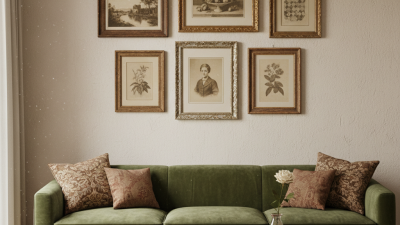
When selecting a design, think about the overall style of your home. Traditional decor often pairs well with ornate, carved frames. In contrast, minimalist spaces may benefit from simple, clean lines. Consider mixing different styles. This can create visual interest but may require careful balancing to avoid a cluttered feel.
Think about the artwork you will display. A bold piece may need a more subdued frame. Conversely, a subtle artwork can be enhanced by an ornate frame. Investing time in choosing the right frame pays off. Mixing textures is also vital. If your room features soft fabrics, incorporate frames with a textured finish for added depth. Recognize that finding the perfect balance takes experimentation and reflection. Adjust as needed; not every choice will feel right immediately.
Tips for Finding Genuine Antique Frames from Reputable Sources
Finding genuine antique frames can be a challenge. According to industry reports, over 60% of antique shoppers struggle with identifying authentic pieces. To ensure you're making a wise purchase, focus on reputable sources. Auctions from well-known houses often provide authenticity papers, enhancing trust in your investment. Additionally, local antique shops run by knowledgeable owners can offer valuable insights into the history of the frames.
When examining a frame, look for signs of age. Authentic antique frames often feature minor imperfections, such as slight warping or scratches. These details reveal the piece's history. Furthermore, investigate the materials used. Genuine frames may consist of wood types that were popular in specific eras. For example, frames made before the late 19th century often utilize hardwood that is harder to find today.
Be cautious of too-good-to-be-true deals. Many online platforms showcase antique frames, yet their provenance can be unclear. Seek out sellers with solid reputations. Reading reviews and asking for references can help you validate their credibility. Engaging with knowledgeable antique communities online can also guide you towards trustworthy sources. Remember, the best finds arise from patience and diligent research.