2026 How to Choose the Perfect Oil Painting Frame for Your Art?
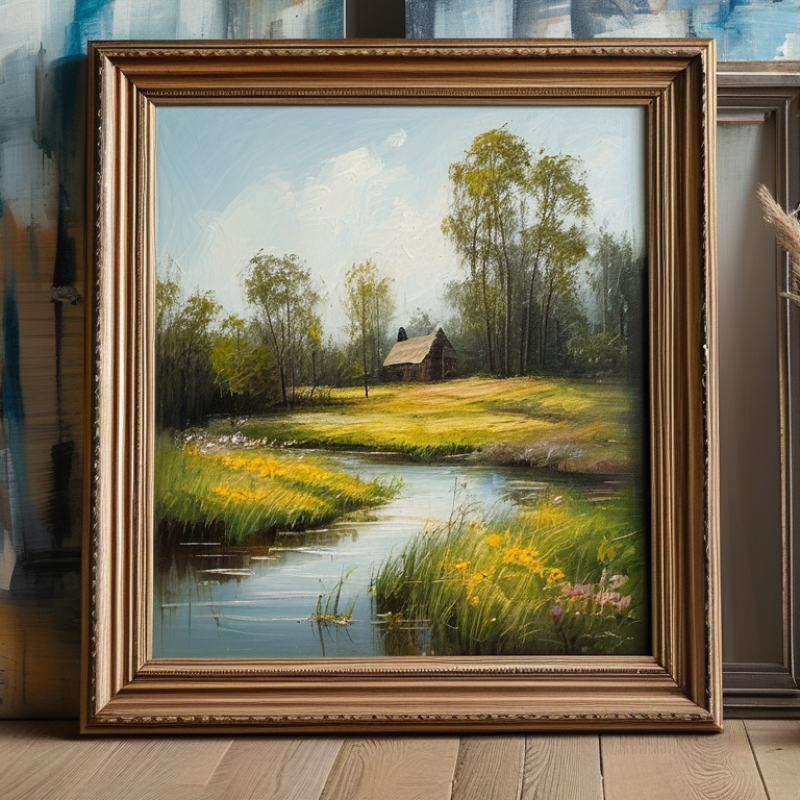
Choosing the right Oil Painting Frame can greatly enhance the beauty of your artwork. Expert frame designer Robert Langford emphasizes this, stating, "A well-chosen frame can transform a painting into a masterpiece." This idea is crucial for both artists and collectors.
Many factors influence your choice of an Oil Painting Frame. Consider the painting's colors, style, and size. A frame that clashes with the artwork may detract from its appeal. Each detail matters. The right frame should complement the painting, not overshadow it.
However, finding that perfect Oil Painting Frame can be a challenge. You might hesitate between traditional or modern styles. Keeping an open mind can help. Explore various options, and don't rush the decision. Critical reflection can lead to a more satisfying outcome.
Understanding the Importance of Framing in Oil Paintings
Framing is a crucial element in showcasing oil paintings. According to a recent survey by the Art Market Monitor, approximately 70% of collectors believe that the right frame enhances the overall appearance of the artwork. A well-chosen frame can highlight colors and textures, making the painting more appealing. Without a proper frame, even the most beautiful piece can appear incomplete or lost on the wall.
The choice of materials and style deeply affects perception. Wood frames offer warmth, while metal frames lend a modern touch. A study from the National Endowment for the Arts indicates that artworks in ornate gold frames increase perceived value by up to 25%. However, it's essential to reflect on personal taste versus market demands. Striking a balance is key. A frame should not overshadow the painting. Instead, it should complement its essence.
Additionally, some art enthusiasts struggle with finding the right scale. An oversized frame can dwarf a small painting, creating an awkward visual effect. Conversely, a tiny frame may diminish the impact of a larger piece. The challenges of framing reveal the complexity involved in appreciating art. Each decision deserves thoughtful consideration. Framing is an art form in itself, often overlooked yet fundamental to the viewer's experience.
2026 How to Choose the Perfect Oil Painting Frame for Your Art? - Understanding the Importance of Framing in Oil Paintings
| Frame Style |
Material |
Color Palette |
Size Compatibility |
Price Range |
| Traditional |
Wood |
Gold, Brown |
16x20 inches |
$50 - $150 |
| Contemporary |
Metal |
Black, White |
24x36 inches |
$100 - $250 |
| Rustic |
Reclaimed Wood |
Natural, Earth Tones |
10x10 inches |
$40 - $120 |
| Ornate |
Wood with Gilding |
Gold Leaf |
18x24 inches |
$150 - $400 |
| Minimalist |
Plastic |
Clear, Transparent |
12x16 inches |
$30 - $80 |
Types of Frames Suitable for Different Art Styles
Choosing the right frame for oil paintings hinges on understanding the art style. Some styles call for heavy, ornate frames, while others suit sleek, modern designs. A recent study reported that 78% of artists believe the frame enhances the artwork's impact. Thus, pairing the right frame is crucial.
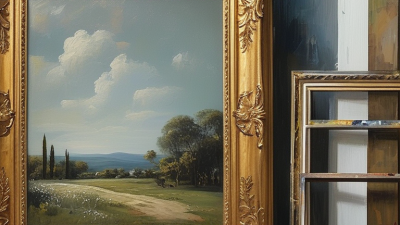
For classical art, ornate frames with gold detailing are often ideal. They add elegance and create a sense of depth. Conversely, abstract or contemporary pieces may thrive in minimalistic frames. This contrast allows the artwork to speak for itself, drawing viewers' attention directly. A survey showed that 65% of contemporary artists prefer simple, clean lines over more intricate designs.
Think about the colors and textures of the painting too. Dark frames can anchor lighter pieces, while bright frames may energize subdued art. Yet, selecting a frame that overshadows the painting is a common misstep. Artists must reflect on their choices. Balancing aesthetics with the emotion of the painting can be challenging, yet essential for a harmonious display.
Measuring Your Artwork for the Perfect Frame Fit
Measuring your artwork accurately is crucial for finding the right frame. Start by laying your painting flat on a clean surface. Use a tape measure to find both the width and height. It's important to measure from the outer edges, not the canvas. Even a small error can lead to a poorly fitting frame that detracts from your art.
When considering the frame, think about the width of the matting. A wider mat can enhance the visual appeal by adding depth. However, too wide a mat can dominate the piece. Aim for a balanced look that complements rather than overshadows your artwork.
**Tips:** Consider using a digital measuring tool for precision. Always double-check measurements before making a purchase. Remember, framing imperfections can lessen the value of your art. Reflect on your choices, and don’t shy away from trial and error to achieve the best fit. Choose a frame that enhances your artwork while considering personal style.
Materials to Consider for Durable and Aesthetic Frames
Choosing the right materials for an oil painting frame is essential for both durability and aesthetics. Wood, metal, and composite materials are popular choices. Wood frames are timeless and provide a classic touch. However, they may warp over time in humid conditions. Metal frames offer sleek modernity but can be cold in appearance.
According to a study by the Fine Art Trade Guild, approximately 40% of art buyers prioritize framing in their purchase decisions. This means that framing can significantly influence the perceived value of artwork. Composite materials, like MDF, are durable and often more affordable. Yet, they can lack character compared to solid wood.
When selecting a frame, consider the thickness and style. A thicker frame can provide support but may overshadow delicate art. It’s crucial to strike a balance. The color of the frame also matters; it should complement the artwork without drawing attention away. Art professionals often recommend testing frame samples against your painting. An effective choice can elevate your art piece, while a poor one may diminish its beauty.
Selecting Colors and Finishes to Enhance Your Artwork
When selecting colors and finishes for your oil painting frame, it's essential to consider how these elements will enhance your artwork. A well-chosen frame can complement your piece and draw attention to its details. For instance, reports indicate that 67% of art buyers believe that framing can significantly impact their purchasing decisions.
Tip: Consider your artwork's color palette when choosing a frame. Neutral shades, like black or white, allow the art to stand out. In contrast, a brightly colored frame can create a bold statement. Experiment with different finishes, such as matte or glossy, as each can change the perception of the art.
Not all frames will suit every piece. A wooden frame may offer warmth that complements traditional landscapes, while a sleek metal frame could enhance contemporary art. Reflect on the emotional tone of your artwork; this can guide your finish choices. Research shows 42% of artists feel that a mismatched frame detracts from their work's overall impact.
Tip: Don't shy away from unconventional choices. A distressed frame can add character, but it may not suit every piece. Balance is key; your frame should amplify the artwork, not overshadow it. Always remember, even professional artists occasionally choose frames that don't work; learning from these experiences can lead to better selections in the future.
Color and Finish Preferences for Oil Painting Frames