Why Choose a Wedding Memorial Box for Lasting Memories?
A wedding is often remembered through photographs, vows, and small details that fade with time. A Wedding Memorial Box gives those details a permanent place. It can hold invitation cards, dried flowers, handwritten notes, fabric swatches, and a copy of the ceremony reading. Each item carries a specific moment. Together, they tell a fuller story.
Wedding keepsake curator Mia Reynolds describes the purpose clearly: “A memorial box should preserve feeling, not merely objects.” Her observation matters because meaningful preservation requires thoughtful choices. Acid-free paper, cotton gloves, and stable storage conditions can help protect delicate memories. A sealed box may look beautiful, but poor materials can damage photographs or flowers. This is where professional guidance becomes valuable.
A Wedding Memorial Box can also honor someone who could not attend the celebration. Their photograph, letter, or favorite recipe may create a quiet connection at the reception or anniversary gathering. It does not erase grief. It gives grief somewhere gentle to rest.
Small details matter.
Still, no box can preserve everything. Memories change, and some items may feel painful years later. That uncertainty deserves space. Couples might leave room for future letters, new photographs, or reflections written after difficult seasons. A carefully designed box is not only a container. It becomes an evolving record of love, absence, family, and shared experience. Choosing one means considering emotional meaning, material quality, accessibility, and the story the couple hopes to carry forward.
What Is a Wedding Memorial Box?
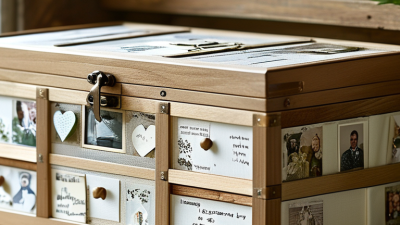
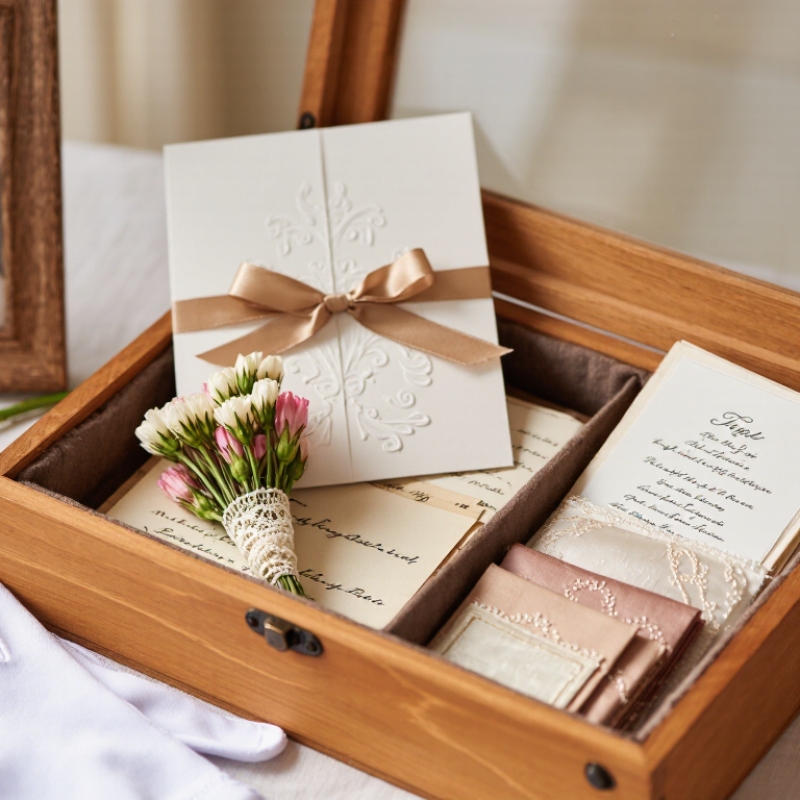
A wedding memorial box is a protective container for objects that hold personal meaning after the ceremony. “Memorial” means preserving memories, not remembering a deceased person. Couples may store invitations, handwritten vows, pressed flowers, fabric swatches, photographs, place cards, and a small piece of cake wrapping. The box turns scattered details into one carefully arranged record. Small, but meaningful.
There is no universal design standard. A useful box should resist light, dust, moisture, and unnecessary handling. Acid-free paper and lignin-free folders can help protect photographs and stationery. Dried flowers need gentle packing, while fabrics should remain clean and fully dry. A 2024 national real-weddings study reported an average wedding cost of about $33,000 and 117 guests. With so much planning and expense, preserving selected details can make the occasion feel tangible later. Another 2023 newlywed industry report found that many couples continue using digital galleries after their weddings, yet digital files still depend on storage access and technology. Physical keepsakes offer a different kind of reassurance.
A common mistake is filling the box with everything. It becomes crowded quickly. Choose items with a story, not merely a date. Add brief notes beside them, including who created each piece and where it was used. I would also leave some empty space. Memories change, and one important detail may only become meaningful years later. One concern remains: poor materials can damage the contents. A decorative box is not automatically an archival box. Check its lining, adhesives, ventilation, and closure before storing irreplaceable pieces.
Why Choose a Wedding Memorial Box for Lasting Memories?
Why Choose a Wedding Memorial Box for Lasting Memories?
A wedding memorial box gives meaningful objects a deliberate home. It can hold vows, dried flowers, invitations, photographs, and a loved one’s handwritten note. The Knot’s 2023 Real Weddings Study surveyed nearly 10,000 couples. It reported an average U.S. wedding cost of $35,000 and 115 guests. With so many details, small keepsakes can easily disappear after the reception. A labeled box creates an intentional record of the day. It also gives families a quieter way to remember people who could not attend.
Preservation details matter. Wedding archivists often suggest acid-free paper, photo-safe sleeves, and stable storage away from sunlight. The U.S. National Archives recommends cool, dry, consistent conditions for paper and photographs. Avoid damp closets. Add dates and short notes beside each item. This makes the story easier to understand years later. A memorial box cannot preserve every feeling. It may even feel too small. That limitation deserves reflection. Choosing only a few objects can make their meaning clearer. I would include the imperfect photograph, the folded program, and the message with uneven handwriting. Those details often carry more emotional weight than expensive decorations.
What to Include in a Wedding Memorial Box
A wedding memorial box becomes meaningful when it holds evidence of real moments, not only polished decorations. Include printed vows, the ceremony program, and a handwritten letter exchanged before the celebration. Add a copy of the invitation, a menu, and a small section of the seating plan. These paper details can bring back the room’s atmosphere years later.
Small details matter. A ribbon from the bouquet, a dried flower, or a fabric swatch can add texture and scent to the memory. Store fragile items in acid-free sleeves, and use soft tissue instead of plastic wrap. Place photographs in archival pockets, away from direct sunlight and moisture. Keep the box in a cool, dry room. A basement or humid attic may slowly damage paper and fabric.
One lesson from preserving keepsakes is that perfect order is not always necessary. A funny guest note, a child’s drawing, or a slightly crooked photograph may feel more honest than formal portraits. That is okay. Invite both partners to choose items, then leave space for future anniversaries, travel tickets, or renewed letters. Avoid adding every decoration; too many objects can hide the moments that matter most. A short explanation beside each unusual item can help future readers understand its story.
Why Choose a Wedding Memorial Box for Lasting Memories?
A wedding memorial box protects meaningful keepsakes and keeps the story of the day together for future generations.
This planning guide shows a suggested share of storage space for common wedding keepsakes. Paper items, photographs, and fabric accessories usually need the most room, while small symbolic objects can be preserved in compact compartments.
How to Personalize and Preserve Wedding Keepsakes
Awedding memorial box turns scattered keepsakes into a careful record of one meaningful day. Personalization begins with selecting items that carry real memories, not simply visual appeal. Include the invitation, handwritten vows, pressed flowers, fabric pieces, photographs, and a small menu card. A short note can explain where each item came from.
Use acid-free paper, photo-safe sleeves, and cotton tissue for delicate materials. These supplies reduce staining and slow paper deterioration. Keep photographs away from direct contact with flowers, metal, or adhesive tape. Place heavier objects at the bottom, then add lighter pieces above them. A simple layout prevents creasing and makes future viewing easier.
Add the wedding date, location, and names in archival ink. You might also record a forgotten detail, such as rain on the window or a loose button from the ceremony outfit. Those imperfect memories often feel most genuine. I would avoid sealing everything permanently. A box should protect memories, but it should also allow careful access. Store it in a cool, dry room, away from sunlight and changing temperatures. Check it every few years for moisture, fading, or insect damage. Digital scans can provide a useful backup, although they cannot replace the texture of handwritten vows.
How to Display, Share, and Maintain the Memorial Box
A wedding memorial box gives treasured memories a visible, protected place. Display it where family members can pause without exposing it to direct sunlight. A hallway shelf or glass cabinet works well. Keep the box away from radiators, damp walls, and areas with frequent spills. Soft, indirect light helps protect photographs, fabric, and handwritten notes from fading.
Share the box with care and intention. Invite close relatives to open it during an anniversary gathering or a quiet family visit. Let each person explain one item’s meaning. Scanning photographs and letters can create secure digital copies for relatives who live elsewhere. However, digital files still need organized names, dates, and more than one backup. A simple inventory card inside the box can prevent confusion later. It should identify each item without covering original surfaces.
Maintenance should be gentle and regular. Wash and dry your hands before handling paper, jewelry, or delicate fabric. Use acid-free tissue and folders when storing fragile pieces. Check the box every six months for moisture, insects, loose adhesive, or fading. Never repair valuable paper with ordinary tape. A qualified conservator can recommend safer materials when damage appears. I once assumed a closed box needed no attention, but humidity had already curled several photographs. That mistake changed my routine. I now inspect the box during seasonal cleaning, although I sometimes forget the digital backup schedule. Record meaningful updates, replace weak protective materials, and preserve the story with the objects.