China Best Art Frame Styles to Elevate Your Home Decor?
Art frames play a vital role in home decor. They not only enhance the visual appeal of your space but also reflect your unique style. Choosing the right art frame can be a challenging task. With so many options available, it might be overwhelming.
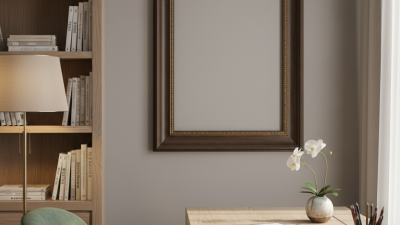
In China, various art frame styles can elevate your home decor to new heights. Traditional wooden frames exude timeless elegance, while sleek metallic designs provide a modern touch. Each style has its own appeal, but finding the perfect fit for your artwork is essential. Also, an art frame should complement the colors and themes of your home.
Moreover, consider the emotional connection to your artwork. The way it is framed can influence its impact. A well-chosen art frame can enhance the story behind your piece. However, neglecting this aspect can lead to a disjointed look. Taking the time to explore different options can truly transform your space. Embrace the journey of selection; it can be rewarding and insightful.
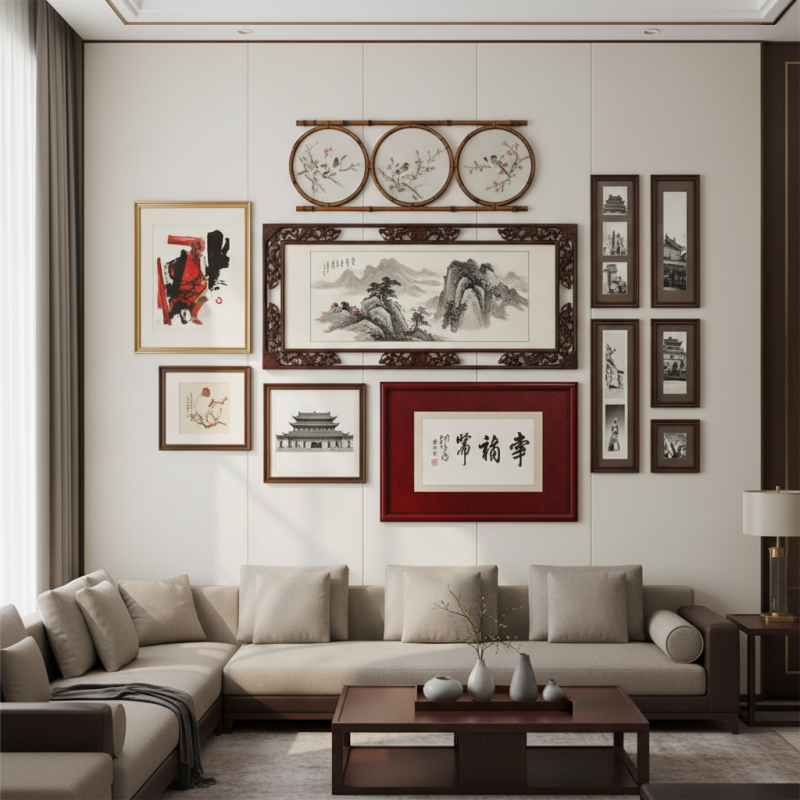
Understanding the Importance of Art Frames in Home Decor
Art frames play a crucial role in home decor, serving both functional and aesthetic purposes. According to a report by the Interior Design Society, 70% of homeowners believe that well-framed art enhances their living space. Proper framing not only protects artwork but also elevates its visual appeal. A well-chosen frame can complement the artwork and the overall design of the room, creating a cohesive look that attracts attention.
Tips: Choose art frames that match your room’s color palette. Consider both size and style for a balanced presentation. It’s insightful to experiment with different framing options. Each frame tells a story, which can sometimes hinge on a minor detail. Don’t underestimate the power of materials; wood, metal, or acrylic offer varying vibes.
Interestingly, some people overlook the effectiveness of art frames. A poorly chosen frame can actually detract from the artwork. Inconsistent styles may clash with the surroundings, leading to a disjointed space. According to a survey by the National Endowment for the Arts, about 40% of respondents admitted to feeling overwhelmed when selecting frames. This highlights the need for careful consideration and reflection while choosing. A little patience can lead to stunning results in home decor.
Traditional Chinese Art Frame Styles and Their Characteristics
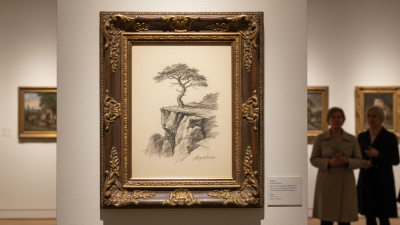
Traditional Chinese art frames serve as a beautiful bridge between the past and present. These frames are not just functional; they are an art form in their own right. They often feature intricate designs that reflect historical craftsmanship. Common materials include wood, lacquer, and sometimes metal. The use of vibrant colors and gold leaf is prevalent, adding an air of elegance.
One distinctive feature is the dragon motif, symbolizing strength and power. Bamboo patterns often evoke tranquility and resilience. Each piece tells a story, infused with cultural significance. However, collecting these frames requires careful attention. The market is filled with replicas, and distinguishing authentic pieces can be challenging.
Some designs may seem overly ornate or outdated to modern eyes. It's essential to balance tradition with contemporary aesthetics. Experimenting with different frame styles can reveal surprising combinations that elevate your space. The key is to remain open-minded while selecting pieces that resonate with your personal style. Engaging with these historical arts enriches your home decor.
China Best Art Frame Styles to Elevate Your Home Decor
This bar chart illustrates the most popular traditional Chinese art frame styles and their characteristics based on aesthetic appeal, functionality, and cultural significance. Each frame style represents unique aspects of Chinese art history and contributes to the overall ambiance of home decor.
Modern Trends in Chinese Art Frame Designs
Modern trends in Chinese art frame designs reflect a blend of tradition and innovation. According to a recent report by the Asian Art Market, 65% of art collectors prioritize unique framing styles that complement their artworks. This trend highlights the importance of selecting frames that enhance artistic expression while fitting contemporary décor.
One popular style is minimalism, characterized by clean lines and neutral colors. This approach allows artworks to take center stage. However, some may find this option too sterile or impersonal. Alternative styles, such as ornate, hand-carved frames, add elegance and a sense of history to a space. Striking a balance between these styles can elevate home decor significantly.
When choosing frames, consider the artwork’s color and theme. A bold piece may require a more subdued frame for balance. Conversely, a subtle artwork might benefit from a vibrant, eye-catching frame. Experimenting with different combinations can yield surprising results.
Tips: Always choose quality materials for durability. Wooden frames, for instance, provide a classic touch but require proper maintenance. Don’t shy away from mixing styles. Contrasting an antique frame with modern art can create a captivating visual dialogue.
How to Choose the Perfect Frame for Your Artwork
Choosing the right frame for your artwork can be overwhelming. Different styles create varying moods. A contemporary frame might enhance a modern piece, while a classic frame suits traditional art. Consider the colors and textures in your artwork. A well-chosen frame should complement, not compete.
Think about size and scale. A large painting often needs a bold frame. A small piece may get lost in an oversized frame. Remember, space matters. Evaluate the wall where you’ll display the piece. The frame should create balance with other decor.
Pay attention to materials, like wood or metal. Each brings a distinct character. Weigh the benefits of durability versus aesthetics. A frame can age beautifully, adding charm over time. Don’t hesitate to experiment. Sometimes the unexpected choices lead to the most satisfying results.
Are you ready to find that perfect fit?
Placement and Arrangement Tips for Framed Art in Your Home
When arranging framed art in your home, consider the room's purpose. For a vibrant, energetic space, opt for colorful frames and bold artwork. Hanging art at eye level creates a connection with the viewer. If a piece feels too high or low, adjust it. This simple change can improve the overall aesthetic.
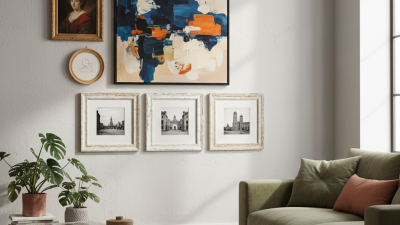
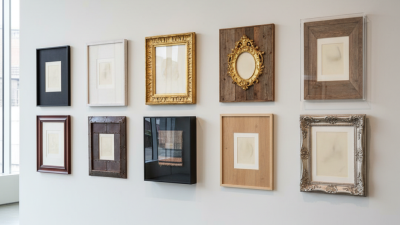
Groupings can evoke emotions. Create clusters of different sizes. Mixing frame styles adds depth and interest. Don't forget about negative space. Leaving gaps between pieces allows the eye to rest. Sometimes, less is more.
Lighting plays a crucial role. Natural light can enhance colors, while soft artificial lights create warmth. Test different placements before making permanent decisions. Reflect on how each arrangement feels. A successful display should evoke joy or contemplation. Each change can lead to new insights about your decor.