How to Choose the Best Pop Art Box for Your Collection?
The world of Pop Art has gained tremendous popularity over the years. A recent report from Art Basel shows that Pop Art sales have surged by 35% over the last decade. This boom highlights the importance of collecting artwork like the Pop Art Box. Choosing the right Pop Art Box for your collection requires careful consideration.
Art collectors seek unique and vibrant pieces that resonate personally. According to a survey by Artnet, 72% of collectors value authenticity and uniqueness when selecting artwork. Each Pop Art Box varies in theme, style, and medium, making it essential to understand your preferences.
Reflecting on this, some collectors may focus too much on trends rather than their own tastes. It’s important to find a balance. While market trends can guide decisions, prioritizing personal connection with the artwork fosters a more meaningful collection. Exploring the right Pop Art Box can enhance both your personal space and your investment value.
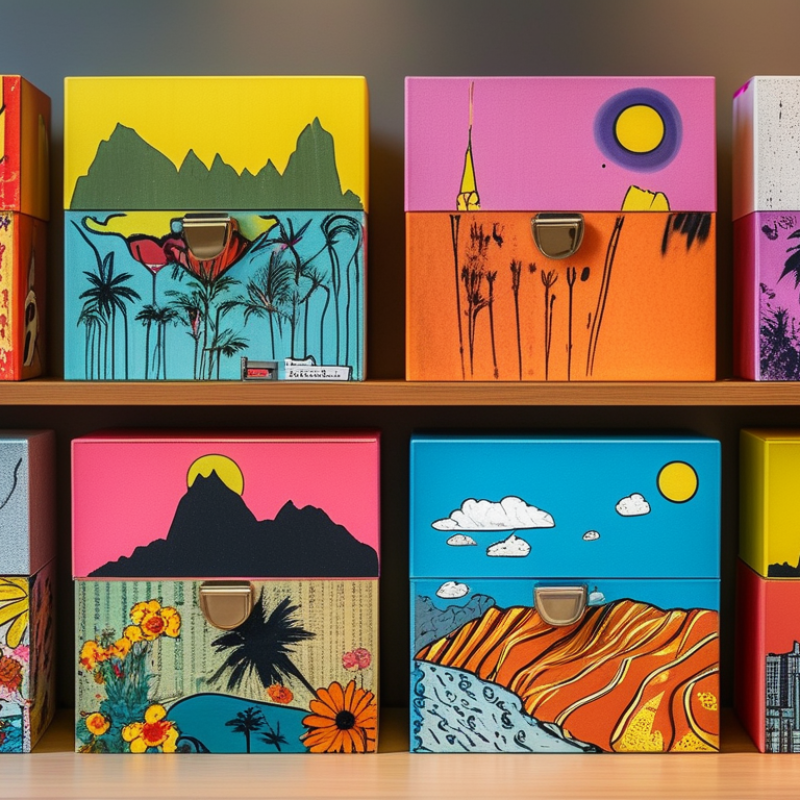
Understanding the Different Types of Pop Art Boxes Available
Choosing the right pop art box is essential for any collector. Many types of pop art boxes exist, each offering unique features. Understanding these options can significantly enhance your collection.
There are several types of pop art boxes to consider. Some artists focus on limited editions, which often feature exclusive designs. According to a recent industry report, limited edition boxes appreciate faster in value, increasing by approximately 20% annually. However, while they can be valuable, they may also be harder to find. Collectors must act quickly.
Other boxes might prioritize thematic collections. These often showcase specific artistic styles or cultural references, attracting niche audiences. The overall market for pop art has expanded by 15% in the last two years, reflecting growing interest. While these thematic options may seem appealing, they can also lead to an oversaturated market. Always research the popularity of a theme before investing.
Material quality is another critical factor. Some boxes are made with durable materials, while others may prioritize design aesthetics. According to a study, collectors prefer high-quality materials for longevity. Finding the right balance between design and durability is crucial. Remember, not every box that looks good is built to last.
How to Choose the Best Pop Art Box for Your Collection?
| Type of Pop Art Box |
Material |
Capacity (Items) |
Average Price ($) |
Ideal For |
| Compact Art Box |
Cardboard |
5-10 |
20 |
Beginners |
| Deluxe Storage Box |
Wood |
20-30 |
75 |
Collectors |
| Portable Art Box |
Plastic |
10-15 |
30 |
Artists on the Go |
| Archival Quality Box |
Acid-Free Board |
15-25 |
100 |
Long-term Storage |
| Customizable Art Box |
Cardboard/Paper |
Varies |
50 |
Personalization Enthusiasts |
Evaluating Materials and Construction Quality for Longevity
When choosing a pop art box, evaluating the materials is crucial. High-quality materials contribute to the box's durability and visual appeal. Look for boxes made from sturdy wood or thick acrylic, as these materials hold up better over time. Boxes that use MDF may be more affordable, but they often lack resilience. Test the box's feel; it should be solid and well-constructed.
Construction quality also plays a vital role. Check the joints and fittings of the box. They should be secure and strong, ensuring the box can withstand regular handling. Hinges should operate smoothly. Pay attention to any signs of wear or weakness. A flimsy construction can undermine your investment in pop art.
Longevity isn't just about initial quality. It also involves real-world usage. Consider how you will store or display the box. Will it be exposed to sunlight or moisture? Choose a box that can handle your specific environment. Reflect on your collection's growth. As your collection evolves, make sure your box can accommodate new additions without compromising its integrity.
Assessing the Aesthetic Appeal and Design Features
When selecting a pop art box for your collection, aesthetic appeal and design features are paramount. The visual impact of pop art pieces often determines their value. According to the Art Market Report 2023, 65% of collectors prioritize aesthetics over brand names. This indicates that the design and craftsmanship of the box can significantly influence purchasing decisions.
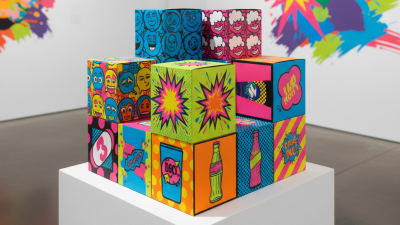
Consider unique design elements, such as color schemes and motifs. A well-designed pop art box should not only enhance the artwork it holds but also reflect the artist's style. Interesting textures or unconventional shapes can draw attention and elevate the overall experience. Look for features like vivid prints, intricate details, or even innovative storage solutions. These elements play a crucial role in making your collection visually striking.
Tips: Look for limited-edition boxes. They often carry more value. Also, consider the material; high-quality materials enhance both durability and aesthetic. Always assess how the box complements your existing pieces. Remember, a cohesive theme can add depth to your collection. Not every box might suit your style. Don’t hesitate to be critical of your choices.
Considering Storage Capacity and Space Requirements
When choosing a pop art box, consider your storage capacity and space requirements. This choice can significantly impact the longevity of your collection. A well-sized box protects your pieces from damage and deterioration. Industry reports suggest that proper storage can extend the lifespan of art by nearly 30%. This highlights the importance of a fitting box.
Assessing space is crucial. Many collectors underestimate their needs. A box that seems adequate now may quickly become a hindrance. According to data, around 45% of collectors eventually face storage issues. A larger box provides room for growth, while a compact option can help manage limited spaces. Think about where you will display or store your collection. Will the box fit comfortably on a shelf, or will it crowd your living space?
Design matters as well. Not all materials are suitable for art storage. Cardboard can degrade and emit acids over time. Opt for archival-quality materials that ensure durability. Many art institutions recommend using boxes that meet specific preservation standards. This way, you protect your investment and passion. Finding balance between aesthetic appeal and practicality is essential.
Setting a Budget and Finding Value in Your Investment
Setting a budget is crucial when investing in pop art. Determine how much you can afford. But, be prepared for unexpected costs. Taxes, shipping, and framing can add up. Art purchasing isn't just about the piece itself; it includes all related expenses.
Finding value is a bit more complex. Research is the key. Understand the market trends. Some pieces appreciate quickly, while others do not. Keep an eye out for emerging artists. They often offer unique works at lower prices. However, don't let emotions cloud your judgment. A piece that speaks to you might not be a good investment.
Consider attending art fairs or gallery openings. Engaging directly with the art community can provide insights. Ask questions and seek advice. Many collectors share valuable wisdom. It's also important to reflect on your tastes. Ensure they align with your investment goals. Balancing passion and practicality is the art of collecting.
How to Choose the Best Pop Art Box for Your Collection?
This chart shows the estimated values of various pop art pieces in a collection. By understanding the value of each artwork, collectors can make informed decisions when setting a budget and finding value in their investments.