Study Art Frame Trends for Global Buyers in 2026?
As we approach 2026, the art frame market presents intriguing trends that global buyers must closely observe. A recent report from Grand View Research highlights that the global art frame market is projected to reach $5.45 billion by 2026, growing at a compound annual growth rate of 4.2%. This growth presents both opportunities and challenges.
The rising popularity of online art sales has influenced consumer preferences, shifting toward custom and sustainable art frames. The demand for eco-friendly materials is increasing, yet not all suppliers ensure compliance with sustainability practices. As buyers engage in a Study Art Frame, understanding material sourcing becomes vital. Price fluctuations and varying quality across regions complicate decision-making processes.
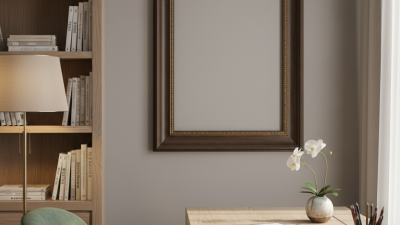
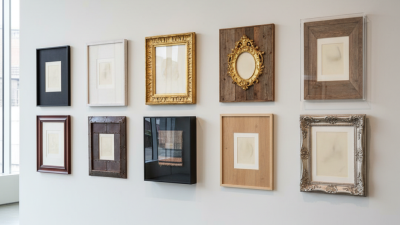
Furthermore, aesthetic trends evolve rapidly. Contemporary frames often prioritize minimalism, while classical styles retain their allure. Buyers must navigate this landscape carefully to select frames that enhance artwork. The focus should remain on marrying creativity with practicality. Reflecting on these trends can illuminate gaps in existing knowledge and inspire better purchasing practices in 2026.
Emerging Art Frame Designs Gaining Popularity Worldwide in 2026
In 2026, emerging art frame designs are transforming the global art market. A recent industry report indicates that unique and innovative styles are becoming increasingly popular among buyers. This trend highlights the blending of functionality and aesthetics, with buyers seeking frames that not only enhance artwork but also reflect personal taste.
One notable design is the use of sustainable materials. The demand for eco-friendly frames has surged, with a 40% increase reported compared to previous years. Buyers are increasingly aware of their environmental impact, pushing for frames made from recycled or biodegradable materials. This shift is not just a fad; it reflects a growing commitment to sustainability in the art community.
Tips: When choosing an art frame, consider the material and its origin. Look for certifications indicating sustainability. Additionally, examine the design to ensure it complements your artwork, rather than overshadowing it. The right frame can elevate a piece and make it a focal point in any room.
The rise of minimalist designs is also noteworthy. Simple, clean lines dominate the market, appealing to modern aesthetics. However, some may overlook the importance of texture in framing. Combining smooth finishes with rough, natural materials can create a balanced look that adds depth to any artwork. Reflecting on such details can significantly enhance your art display.
Sustainable Materials in Art Frame Production for Eco-Conscious Buyers
As the art industry navigates new trends, the use of sustainable materials in art frame production gains significance. Eco-conscious buyers are increasingly seeking products that reflect their values. In 2026, recycled metal and reclaimed wood are expected to dominate the market. These materials not only minimize waste but also offer unique textures and appearances.
Art frames made from bamboo are also rising in popularity. Bamboo is fast-growing and requires less energy for production. Buyers appreciate its lightweight nature and strength. However, sourcing bamboo responsibly is crucial to ensure environmental integrity.
Innovation in materials can lead to unexpected challenges. New biodegradable options may lack durability. Consumers often remain uncertain about their longevity. Transparency in sourcing practices becomes vital. The connection between artistry and sustainability continues to evolve, urging manufacturers to reconsider traditional approaches. It’s clear that the journey towards sustainable art framing is complex and requires ongoing dialogue among artists, consumers, and producers.
Study Art Frame Trends for Global Buyers in 2026
| Material Type |
Sustainability Rating |
Global Demand (%) |
Average Price (USD) |
Consumer Preference (%) |
| Recycled Wood |
High |
25 |
45.00 |
60 |
| Bamboo |
Very High |
20 |
50.00 |
70 |
| Recycled Aluminum |
Medium |
15 |
55.00 |
65 |
| Glass |
Low |
30 |
40.00 |
50 |
| Environmentally Friendly Composite |
High |
10 |
60.00 |
80 |
Influential Art Movements Shaping Frame Styles in the Global Market
As we approach 2026, the art frame market is shifting dramatically. Influential art movements are reshaping frame styles around the world. Minimalism is gaining traction. Clean lines and simplicity define this aesthetic. Frames often feature neutral colors, reflecting a modern taste in art display.
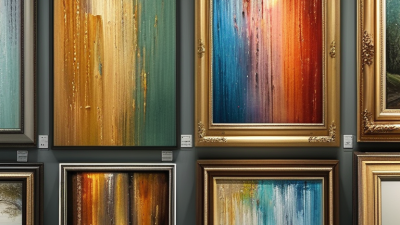
Another noteworthy movement is the resurgence of bold, colorful frames inspired by pop art. These frames stand out and capture attention. They often use unconventional materials, pushing the boundaries of traditional framing. The interplay of vibrant colors and unique textures creates a captivating visual experience.
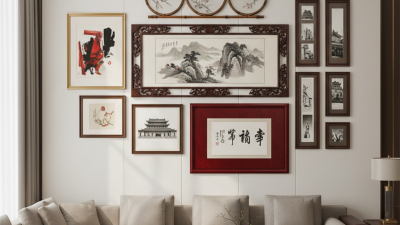
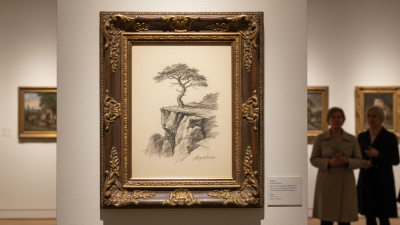
Nostalgia also plays a key role in the current trends. Vintage-inspired frames evoke emotions and memories. They remind buyers of past eras, providing a sense of connection. However, balancing nostalgia with contemporary styles can be challenging. Crafting a cohesive look requires careful consideration of art piece and frame synergy. This delicate balance influences buyer decisions and shapes future trends.
Technology Innovations Impacting Art Frame Manufacturing Trends
In 2026, technological innovations will significantly shape art frame manufacturing trends. One notable development is the rise of smart frames. These frames integrate digital displays showcasing artwork and photographs. According to a recent industry report, the smart art frame segment could grow by over 30% annually. This rapid evolution highlights consumer demand for interactive and customizable art solutions.
Automation is another key factor. Manufacturing processes now utilize robotics to enhance precision and reduce waste. Reports indicate that automation technology can improve efficiency by 25% in production lines. However, this poses a challenge: the balance between craftsmanship and automation. Many artists worry that automation may compromise the uniqueness of handmade frames.
Sustainability remains a pressing concern. Manufacturers are exploring eco-friendly materials. Biodegradable options and recyclable materials are gaining traction. Statistics show that eco-conscious consumers are willing to pay up to 20% more for sustainable products. Brands face pressure to adapt, as overlooking sustainability could alienate a growing customer base.
Art Frame Manufacturing Trends for Global Buyers in 2026
Consumer Preferences and Demands for Art Frames in 2026 Market
As we approach 2026, the art frame market is evolving. Buyers are increasingly seeking personalized designs. Unique textures and colors are gaining traction. Many consumers prefer eco-friendly materials. This trend reflects a growing awareness of sustainability.
In terms of functionality, versatility is key. Customers desire frames that suit multiple purposes, from home decor to exhibition displays. Customization options are becoming essential. Buyers want the ability to adjust dimensions to fit their artwork perfectly. However, some find it challenging to balance style with practicality.
Market research indicates younger consumers are leaning towards minimalistic designs. They favor clean lines and simple aesthetics. Yet, traditional styles remain relevant, appealing to older demographics. This divergence in tastes highlights the complexities in meeting diverse consumer demands. Understanding these nuances requires continuous engagement with art enthusiasts and collectors.