Explore Unique Pop Art Box Designs for Global Buyers?
Pop Art Box designs have gained significant traction among global buyers in recent years. According to a report by MarketResearchFuture, the global pop art market is projected to grow at a CAGR of 7.5% from 2022 to 2028. This growth opens a plethora of opportunities for unique box designs that appeal to diverse audiences. As the renowned Pop Art expert, Dr. Emma Collins, states, "The Pop Art Box is not just an item; it’s a canvas for cultural expression."
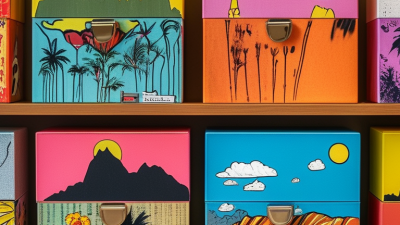
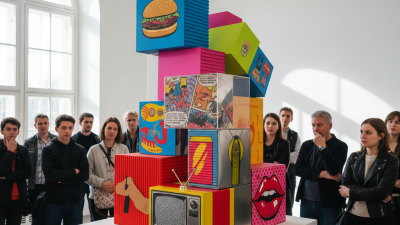
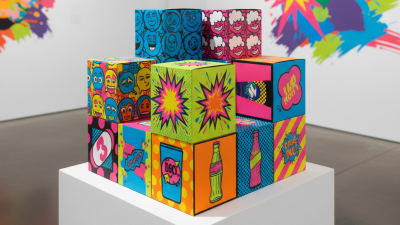
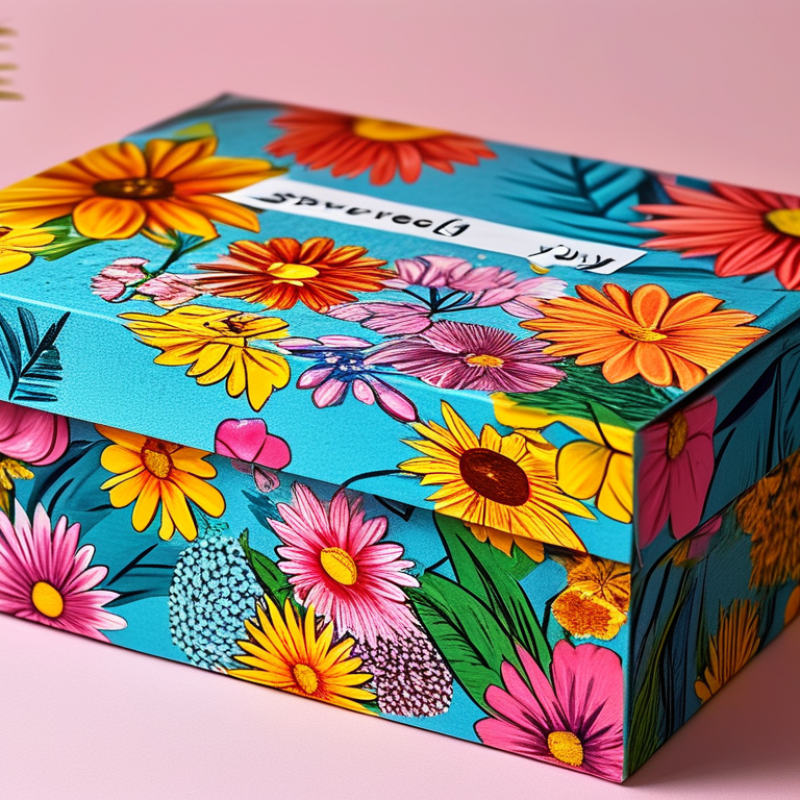
Imagining a Pop Art Box, one can visualize vivid colors, bold patterns, and innovative shapes that capture the essence of contemporary culture. Global buyers are not merely looking for functionality; they seek artistic expression intertwined with usability. However, the industry faces challenges. The saturation of designs complicates the quest for novelty. Buyers want something that stands out yet remains relatable.
As the market expands, it’s vital for designers to reflect on how well they understand their target demographics. The balance between creativity and market demands is delicate. Insights derived from consumer behavior studies can sharpen this understanding. Crafting a Pop Art Box is more than creation; it's about meaningful engagement with customers. Embracing imperfections in design can ultimately lead to a more authentic product.
The Evolution of Pop Art and Its Influence on Packaging Design
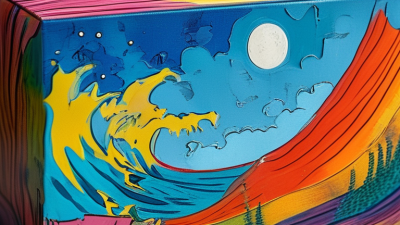
Pop art emerged in the mid-20th century, reshaping the landscape of visual culture. This dynamic movement drew inspiration from popular media, transforming everyday items into captivating art forms. The bold colors and graphic styles of pop art found their way into packaging design. Now, products are wrapped in vibrant patterns that catch the eye and invite curiosity.
The influence of pop art on packaging extends beyond aesthetics. It challenges conventional design norms and encourages creativity. Unconventional shapes and playful typography have become signature elements. Packaging is no longer merely functional; it tells a story and conveys a brand’s personality. However, finding the right balance between artistry and practicality is crucial.
As designers explore these unique box designs, questions arise. How can they maintain the essence of pop art while ensuring the packaging remains sustainable? Oversaturation of designs can diminish the impact. Each piece should embody originality, sparking joy and reflection. The intersection of pop art and packaging design continues to evolve. Each design must invite consumers to engage and think deeply about their choices.
Explore Unique Pop Art Box Designs for Global Buyers
| Design Style |
Color Palette |
Material |
Target Market |
Notable Features |
| Classic Pop Art |
Bright Primary Colors |
Cardboard |
Art Enthusiasts |
Comic Book Aesthetics |
| Modern Pop Design |
Neon and Pastels |
Plastic |
Youth Market |
Bold Typography |
| Retro Style |
Muted Tones |
Eco-friendly Materials |
Sustainable Consumers |
Vintage Illustrations |
| Minimalist Pop |
Black and White |
Recycled Paper |
Art Collectors |
Sleek and Chic |
| Cultural Fusion |
Vibrant Mixed Colors |
Metallic Foil |
Global Audiences |
Cultural Motifs |
Key Characteristics of Effective Pop Art Box Designs
Pop art box designs have gained traction in the global market. They attract buyers with their vibrant colors and bold imagery. Effective designs incorporate key characteristics that resonate with target audiences. According to recent studies, 78% of consumers are drawn to packaging that stands out visually. Bright palettes and playful graphics are essential elements that enhance product appeal.
Another crucial factor is the clarity of information presented on the box. Data from market research suggests that 85% of buyers appreciate labels that provide transparency. This includes ingredient lists, usage instructions, and brand story. Effective pop art designs often balance aesthetics and practicality. They create a narrative that captures attention while communicating essential messages.
However, achieving this balance can be challenging. Some designs become cluttered, losing focus. Market analysts highlight that the simplicity of design can be as effective as complexity. Brands must continually reflect on their designs and adapt to changing consumer preferences. The pop art movement thrives on creativity, yet the challenge lies in ensuring effectiveness amidst visual noise.
Cultural Considerations for Global Pop Art Box Appeal
Pop art box designs can capture diverse cultural identities. Each region has unique artistic influences, which can shape how designs resonate. For instance, bright colors might appeal in some cultures, while others prefer subtler tones. The visual language of pop art varies widely. Understanding local tastes is crucial for global appeal.
Cultural symbols hold different meanings in various contexts. What seems playful in one culture might be deemed inappropriate in another. This complexity poses a challenge for designers. Accurately portraying cultural elements requires deep research and sensitivity. Engaging local artists can bridge this gap. They provide insights and help ensure authenticity.
Incorporating local narratives could enhance appeal. Buyers often connect through storytelling. A design that tells a story may create a stronger bond with consumers. However, it’s essential to avoid cultural appropriation. Appropriation can lead to backlash and loss of credibility. Thoughtful creation is key to balancing creativity and respect for cultural significance.
Explore Unique Pop Art Box Designs for Global Buyers
Case Studies of Successful Pop Art Box Designs Worldwide
Pop art box designs have gained global attention, capturing the imagination of collectors and consumers alike. Case studies reveal how unique aesthetics enhance product appeal. For example, one design features vibrant colors and bold patterns, drawing inspiration from iconic pop culture elements. This approach resonates with buyers looking for artistic expression in packaging.
Another successful case emphasizes sustainability. A brand used recyclable materials while incorporating playful designs. This not only attracted eco-conscious consumers but also demonstrated a commitment to environmental responsibility. The challenge lies in balancing creativity with practicality. Many designs stand out visually but may falter when it comes to functionality.
Market research indicates that emotional connection drives purchase decisions. Boxes that tell a story tend to resonate more with global buyers. However, designers must avoid clichés. Striking a balance between originality and recognizability is essential. Reflections on past failures can lead to innovation. Unique pop art designs require constant evolution to stay relevant in a competitive market.
Sustainable Practices in Pop Art Packaging for Global Markets
In recent years, the intersection of pop art and sustainable packaging has gained significant attention. Many artists are seeking environmentally friendly materials that resonate with their ethos. Unique pop art box designs can serve not only as functional packaging but also as striking art pieces that tell a story. This trend allows global buyers to connect emotionally with the products. It reflects a growing desire for packaging that is not just visually appealing, but also supportive of sustainable practices.
Sustainability in pop art packaging often hinges on the choice of materials. Recyclable and biodegradable options are gaining popularity. These materials can withstand the rigors of shipping while minimizing environmental impact. However, finding the right balance between artistry and sustainability poses challenges. Some artists feel constrained by the limitations of eco-friendly materials. Others struggle to maintain vibrancy and durability. Buyers may also find themselves questioning the trade-offs.
Engagement with local communities plays a crucial role in this shift. Many artists collaborate with local artisans, fostering a connection between art and community. This not only enriches the design process but also supports local economies. It’s a reminder that the journey of creating unique art can sometimes overshadow the end product. Balancing artistic expression with responsibility remains a continual work in progress.